Homeschooling Tips for Stay at Home Moms Creating Structure Balance and Success
Some homeschooling days feel peaceful and productive. Other days, the math lesson takes 45 minutes longer than planned, the toddler spills cereal, laundry waits in the washer, and everyone needs a snack at the same time.
That does not mean homeschooling is failing. It means real life is happening.
For stay-at-home moms, homeschooling often blends with meals, chores, errands, younger siblings, family rhythms, and the emotional work of keeping a home steady. The goal is not to create a perfect miniature school. The goal is to build a learning life that has enough structure to support progress and enough flexibility to protect peace.
The most effective homeschooling tips for stay at home moms are usually simple: create a predictable space, use time wisely, choose resources that fit real children, and plan household tasks around the school day instead of trying to do everything at once.
Build a learning environment that feels calm and clear
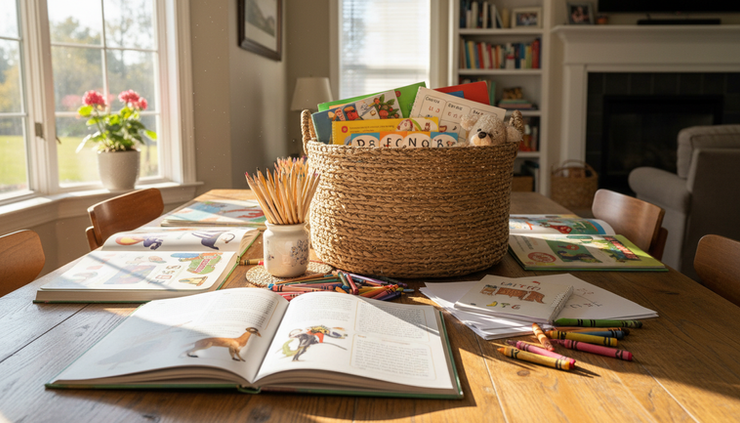
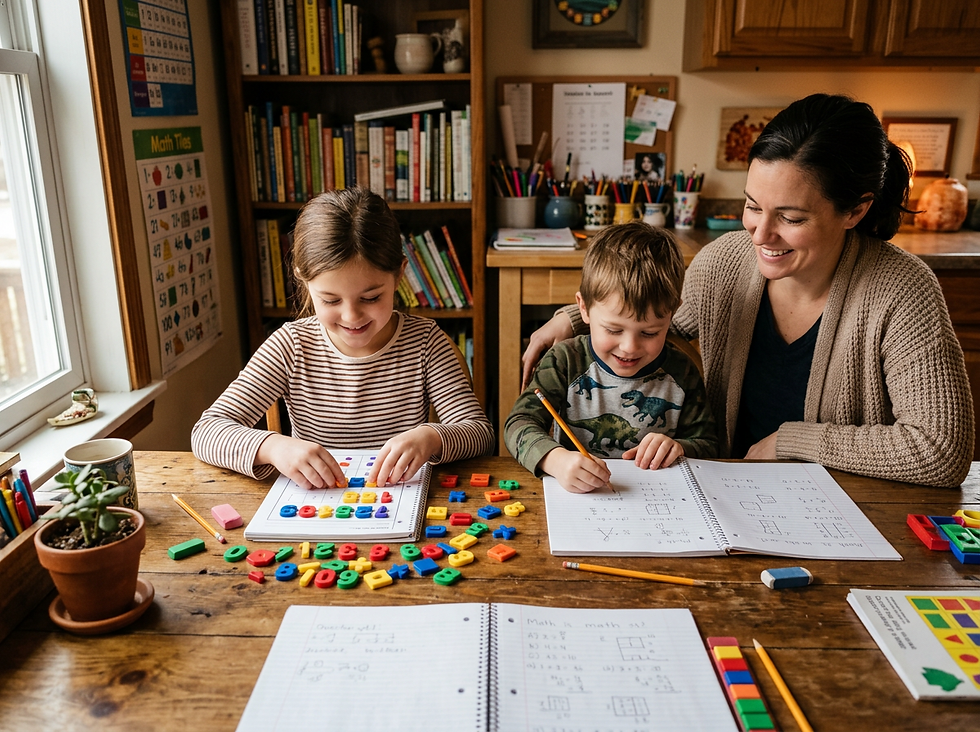
A structured homeschool environment does not require a separate classroom, matching bins, or a wall covered in charts. Many families do school at the kitchen table, on the couch, on a back porch, or in a shared corner of the living room.
What matters most is that children know where learning happens, where supplies belong, and what to expect when the school day begins.
Start with one main learning spot. It can be small, but it should be easy to reset. Keep the basics nearby:
Pencils, crayons, scissors, glue sticks, and paper
Current books and workbooks
A simple calendar or daily checklist
A basket for read-alouds and quiet activities
A folder or tray for completed work
A mom of three once shared that her homeschool changed when she stopped trying to make her whole house “school ready.” Instead, she made one shelf useful. Each child had a bin. The morning basket went on top. The pencil sharpener stayed in the same place. It took less than an hour to set up, but it removed a daily source of stress.
That is the power of structure. It lowers decision fatigue.
Create a simple start-of-day rhythm
Children often settle faster when the day begins the same way. A morning rhythm does not need to be long. In fact, shorter is often better.
Try a pattern like this:
Breakfast and morning chores
Gather at the table or couch
Read aloud for 10 minutes
Review the day’s checklist
Begin the first subject
This kind of rhythm gives younger children a clear signal that school is starting. It also gives mom a softer entry into the day than jumping straight into worksheets.
Use visual cues to reduce repeated reminders
A visual checklist can save your voice. For early readers, use pictures. For older children, use a written list in a binder, notebook, or laminated page.
A daily checklist might include:
Make bed
Brush teeth
Feed pet
Math
Reading
Copywork
Science activity
Independent reading
Tidy school supplies
Checklists help children see progress. They also reduce the constant question, “What do I do next?”
For children who resist long lists, keep it to three items at a time. When those are done, add the next three.
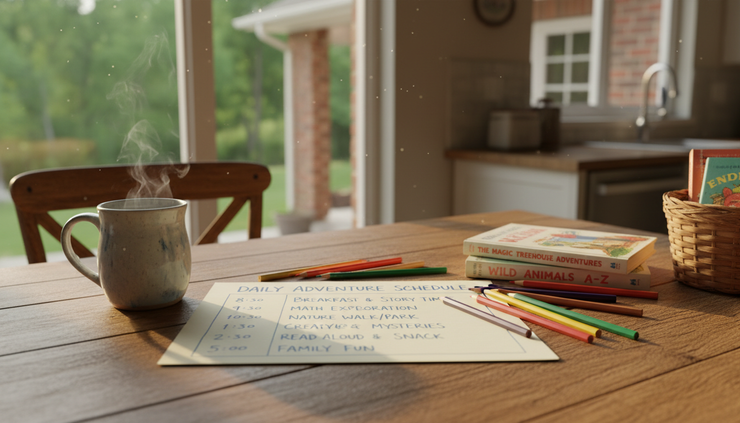
Manage time with blocks instead of rigid schedules
A strict schedule can look beautiful on paper and fall apart by 9:15 a.m. Homeschooling at home works better when time has shape but not too much pressure.
Time blocking is often easier than assigning exact start and stop times. Instead of planning math from 9:00 to 9:30, create a morning learning block. That block might include math, reading, and handwriting. If breakfast runs late or a child needs extra help, the whole day does not feel ruined.
Here is a simple example.
Time of Day | Focus | What It Might Include |
Morning | Core lessons | Math, reading, writing, phonics |
Late morning | Movement and practical life | Snack, outside time, chores |
Early afternoon | Interest-based learning | Science, history, art, projects |
Late afternoon | Home reset | Laundry, dinner prep, quiet reading |
The exact times can shift based on family needs, but the order stays familiar.
Teach the hardest subject first
Most children have more focus earlier in the day. Use that energy for the subject that needs the most attention. For some families, that is math. For others, it is reading or writing.
Saving the hardest subject for later can backfire. By then, everyone may be tired, hungry, or ready to move on.
A helpful rule is to begin with the “must-do” work, then move to the “nice-to-do” work. If the day takes an unexpected turn, the essentials are already done.
Use timers without turning them into pressure
Timers can help children understand time, but they should not feel like a race. Try using a timer for focus periods, cleanup, or transitions.
For example:
15 minutes of math practice
10 minutes of independent reading
5 minutes to tidy supplies
20 minutes of quiet time after lunch
Some children love seeing how much they can finish before the timer rings. Others feel rushed. If a timer causes stress, use music instead. Play one calm song for cleanup or a short playlist for independent work.
Plan margins into the day
Homeschool days need breathing room. A full plan with no margin can make normal interruptions feel like failures.
Leave space for:
A child who needs extra help
A younger sibling who needs attention
A phone call or appointment
A slow morning after a rough night
A beautiful day that calls for extra outdoor time
A realistic plan usually beats an ambitious one. Finishing four things calmly is better than dragging everyone through nine things with tears.
Choose educational resources that keep children engaged
Engaging resources do not have to be expensive. Children often learn well when lessons include a mix of reading, conversation, hands-on practice, and real-world experience.
The best resource is the one that gets used consistently and fits the child in front of you.
Build a dependable resource mix
A balanced homeschool week might include:
A math program for steady skill practice
Library books for history, science, and literature
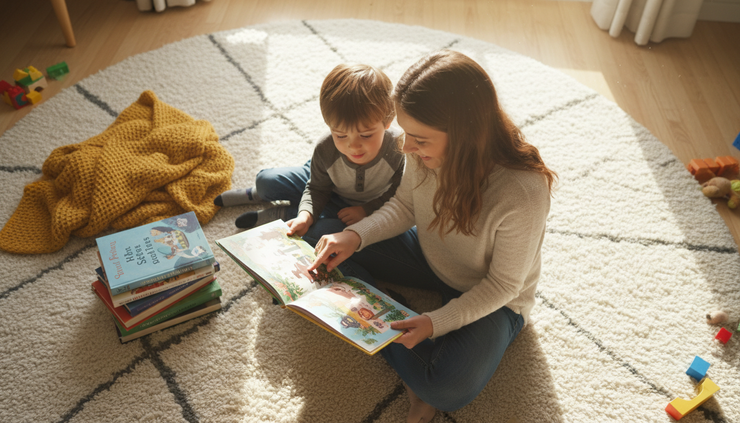
Read-alouds for shared learning
Manipulatives like blocks, coins, beads, or measuring cups
Nature walks and simple observation journals
Educational videos used with intention
Art supplies for creative response
Board games that build logic, counting, spelling, or strategy
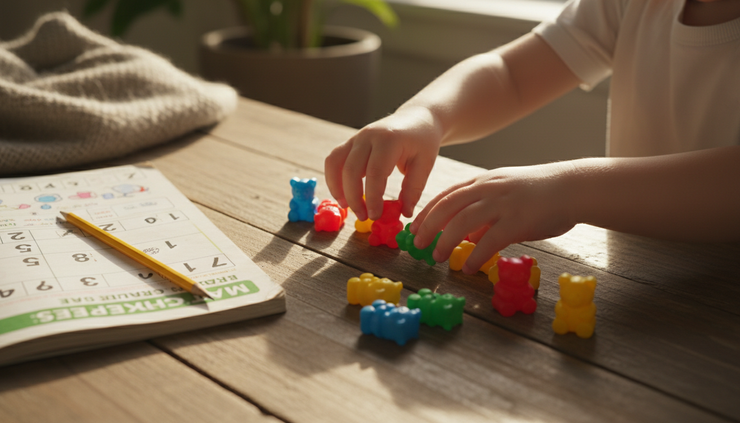
For younger children, hands-on materials can turn frustration into understanding. A child who struggles with subtraction on paper may understand it quickly with crackers, toy cars, or buttons.
For older children, discussion can make learning stick. After a reading assignment, ask:
What surprised you?
What would you have done differently?
What is one thing you want to know more about?
Can you explain this in your own words?
These questions build thinking skills without requiring a formal test every time.
Let interests become doorways into learning
If a child loves dinosaurs, use dinosaurs for reading, writing, science, and measurement. If another child loves baking, use recipes for fractions, sequencing, and practical reading. If a child loves animals, start a nature notebook or research local wildlife.
One stay-at-home mom I heard from had a son who resisted writing. He loved building with blocks, so she asked him to create instruction cards for his designs. At first, he wrote only short labels. Over time, he began writing steps, then full sentences. Writing stopped feeling like a battle because it had a purpose.
That kind of success matters. It reminds moms that learning does not always happen in a straight line.
Use screens with a clear purpose
Screens can be useful tools when they support the lesson rather than replace connection. A short science video, audiobook, virtual museum tour, or math practice app can add variety to the week.
Set a few simple boundaries:
Choose the resource before screen time starts
Watch or review new content first when possible
Keep sessions short for younger children
Ask one follow-up question when it ends
Avoid letting screens fill every hard moment
A helpful screen-time question is, “What is this helping us learn today?” If the answer is clear, it may be a good fit.
Balance teaching with household responsibilities
One of the hardest parts of homeschooling as a stay-at-home mom is that the house does not pause for school. Dishes still pile up. Laundry still grows. Meals still need to happen.
The solution is not to work nonstop. The solution is to build a home rhythm that shares the load and lowers the number of decisions you make each day.
Link chores to natural transitions
Instead of trying to clean while teaching, attach small chores to moments that already exist.
For example:
After breakfast, everyone clears dishes before school starts
Before snack, the table gets reset
After lunch, each child does one quick chore
Before outdoor time, laundry moves to the dryer
Before dinner, school supplies go back to their homes
Short resets work better than saving everything for the end of the day. A 10-minute tidy can protect the whole afternoon.
Give children real responsibilities
Children can contribute more than we sometimes expect, especially when tasks are taught slowly and repeated often.
Young children can:
Put napkins on the table
Match socks
Put books in a basket
Wipe low surfaces
Feed a pet with help
Older children can:
Start a load of laundry
Empty the dishwasher
Prepare simple lunches
Help younger siblings with reading practice
Sweep after meals
This is not just about getting chores done. It teaches life skills and reminds children that homeschooling is part of family life, not a performance carried by one person.
Keep meals simple during the school week
Food can take up a surprising amount of mental space. A simple meal plan can make homeschool days easier.
Try choosing repeatable meals:
Oatmeal, eggs, yogurt, or toast for breakfast
Sandwiches, leftovers, soup, or snack plates for lunch
Slow cooker meals, pasta, tacos, rice bowls, or sheet pan dinners
Some families use the same lunch plan every weekday. Others prep a few basics on Sunday, such as chopped vegetables, cooked chicken, hard-boiled eggs, or muffins.
The goal is not gourmet. The goal is fed, steady, and less frantic.
Protect quiet time, even when naps are gone
Quiet time can reset the household. It gives younger children rest, older children space, and mom a chance to breathe, switch laundry, prep dinner, or sit down for a few minutes.
Quiet time can include:
Looking at books
Audiobooks
Puzzles
Drawing
Building toys
Independent reading
Start small if quiet time is new. Ten minutes is a win. Build from there.
Measure success by growth, not perfection
Progress in homeschooling can be quiet. It may look like a child reading one page with less frustration. It may look like a smoother morning transition. It may look like finishing math before lunch for the first time all week.
These moments count.
A mother once described her first homeschool year as “messy but full of tiny wins.” Her daughter cried over phonics in September. By spring, she was reading signs at the grocery store. Her son could not sit still for history, so they listened to audiobooks while he built with blocks. Months later, he remembered details she thought he had missed.
That is homeschooling at its best. It gives families room to learn in ways that fit real children.
Keep records that encourage you
Record keeping does not have to be complicated. Follow your state requirements, then choose a simple method you can maintain.
Helpful options include:
A planner with checked-off lessons
A binder with samples of work
A reading log
Photos of projects and activities
A weekly note about what went well
Those notes can become a gift on hard days. When you feel behind, you can look back and see real growth.
Expect to adjust often
A homeschool plan is allowed to change. Curriculum may need to shift. A schedule may need to loosen. A child may need more movement, more challenge, or more review.
Changing the plan does not mean you chose wrong. It means you are paying attention.
Try a short weekly review on Friday afternoon or Sunday evening. Ask:
What worked well this week?
What caused the most stress?
Which subject needs more support?
What can we simplify next week?
Where did we see growth?
Small adjustments keep problems from becoming patterns.
A steady homeschool is built one day at a time
Homeschooling as a stay-at-home mom asks a lot. It asks for patience, planning, flexibility, and the willingness to begin again after hard days.
You do not need a perfect schoolroom, a flawless schedule, or children who love every lesson. You need a few steady rhythms, resources that fit your family, and permission to keep things simple.
Start with one change this week. Set up one shelf. Create one checklist. Move the hardest subject earlier. Add one quiet time. Choose one chore transition.
Small steps can change the feel of the whole day.
A successful homeschool is not measured by how closely it copies a classroom. It is measured by connection, consistency, growth, and the kind of home where learning has room to take root.

Comments