Homeschool Family Meal Guide 10 Healthy Budget Friendly Meals Kids Love
Homeschool days can fill up fast. Math runs long, someone needs help with reading, the laundry buzzes, and lunch still has to happen. Feeding a family well during a busy school week does not require fancy ingredients, long recipes, or a huge grocery bill. It works best when meals are simple, flexible, and easy for kids to help make.
This Homeschool Family Meal Guide 10 Healthy Budget Friendly Meals Kids Love is built for real weekdays. The meals below use common pantry staples, affordable proteins, and produce that can stretch across several dishes. They also support balanced nutrition for growing children without turning every meal into a project.
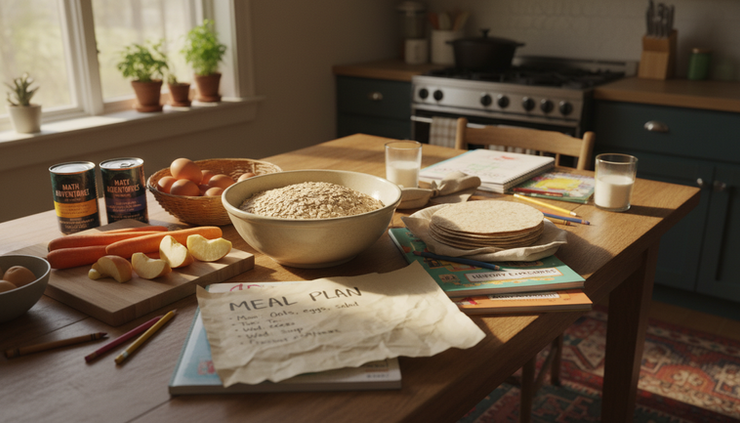
Why balanced meals matter during homeschool days
Kids do a lot of work during the day, even when they are sitting at the kitchen table. Their brains, muscles, bones, and immune systems all need steady support. Balanced meals help with energy, focus, mood, and growth.
A helpful way to think about balance is to include a few key pieces when possible:
Protein from eggs, beans, chicken, tuna, yogurt, lentils, tofu, or peanut butter
Fiber-rich carbohydrates from oats, brown rice, whole wheat pasta, potatoes, fruit, or whole grain bread
Colorful produce from fresh, frozen, or canned fruits and vegetables
Healthy fats from avocado, olive oil, nuts, seeds, cheese, or nut butter
Calcium-rich foods such as milk, yogurt, cheese, fortified soy milk, or calcium-set tofu
No meal has to be perfect. A plain lunch can become more balanced with one easy add-on, like apple slices, baby carrots, a boiled egg, or a cup of yogurt. The goal is steady nourishment, not pressure.
10 quick, healthy, budget-friendly meals kids can enjoy
These meals are flexible on purpose. Use what is on sale, what your family likes, and what you already have in the pantry.
1. Breakfast burritos with eggs and beans
Scramble eggs with a small scoop of black beans or pinto beans, then wrap the mixture in a whole wheat tortilla. Add shredded cheese, salsa, or leftover roasted vegetables.
This meal is filling, inexpensive, and easy to batch. Make several burritos at once, wrap them individually, and refrigerate or freeze them. Kids can help crack eggs, sprinkle cheese, or fold tortillas.
Budget tip: Stretch a small number of eggs by adding beans, diced potatoes, or frozen peppers.
2. Oatmeal bowls with fruit and peanut butter
Oats are one of the most useful homeschool pantry staples. Cook them with milk or water, then top with sliced bananas, apples, frozen berries, cinnamon, and a spoonful of peanut butter.
This breakfast gives kids fiber, protein, and long-lasting energy. It also works as an easy lunch on a cold day.
Make it fun: Set up a small topping bar with fruit, nuts, seeds, raisins, and yogurt. Let each child build a bowl.
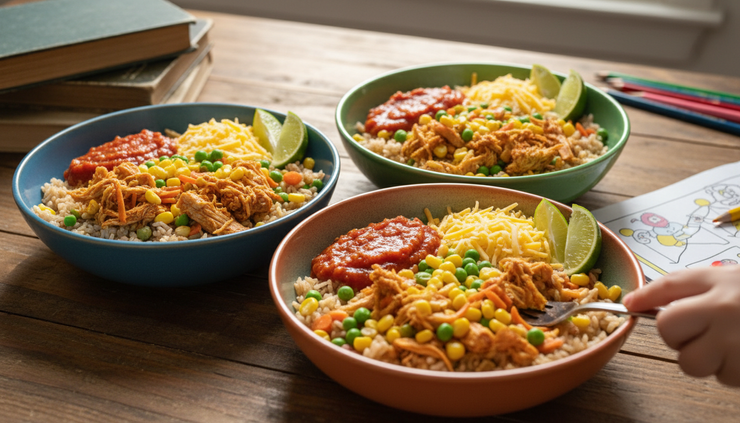
3. Chicken and rice veggie bowls
Cook a pot of rice and top it with shredded chicken, frozen mixed vegetables, and a simple sauce. Try salsa, teriyaki-style sauce, ranch yogurt dressing, or a squeeze of lime with a little olive oil.
This is a great meal for leftovers. Rotisserie chicken, slow cooker chicken, or cooked chicken thighs all work well.
Budget tip: Use more rice and vegetables with a smaller amount of chicken. The meal still feels hearty.
4. Lentil sloppy joes
Lentils cook quickly, cost little, and soak up flavor well. Simmer cooked lentils with tomato sauce, a little ketchup, garlic powder, onion powder, and a mild chili seasoning. Serve on whole wheat buns or over baked potatoes.
The texture is soft and familiar, which can make lentils easier for kids to try. Add a side of cucumber slices, carrots, or fruit.
Kid job: Let children stir the sauce and taste-test for mild sweetness or spice.
5. Tuna melts with apple slices
Mix canned tuna with a spoonful of mayo or plain Greek yogurt. Spread it on whole grain bread or English muffins, add cheese, and toast until warm.
Tuna melts are fast, affordable, and rich in protein. If your family does not like tuna, use canned chicken, mashed chickpeas, or leftover turkey.
Balanced plate idea: Serve with apple slices and baby carrots for crunch and color.
6. Pasta with beans and marinara
Whole wheat pasta, marinara sauce, and beans make a simple meal with fiber and protein. White beans, chickpeas, or lentils blend well with tomato sauce. Add frozen spinach, peas, zucchini, or mushrooms if you have them.
This is one of those quiet hero meals. It is easy, familiar, and easy to double for leftovers.
Budget tip: Beans make the sauce more filling without adding much cost.
7. Sheet pan quesadillas
Quesadillas do not have to be made one at a time. Place tortillas on a sheet pan, fill them with cheese, beans, cooked chicken, corn, or peppers, then bake until crisp. Cut into wedges and serve with salsa, yogurt, avocado, or chopped lettuce.
This meal works well for multiple ages because each section can have different fillings.
Kid job: Children can spread beans, sprinkle cheese, and choose fillings for their own section.
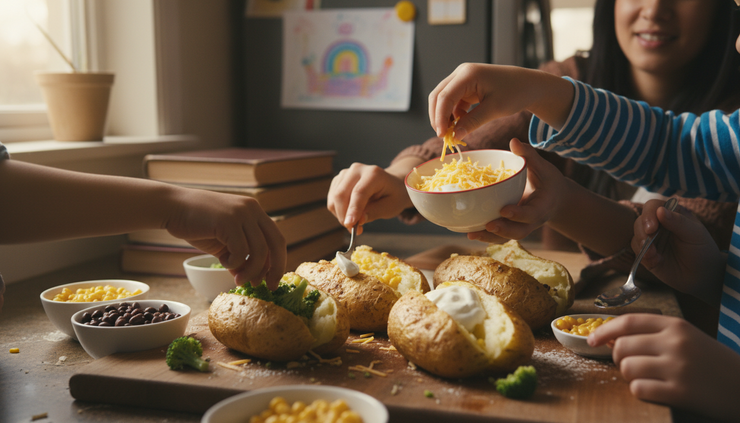
8. Loaded baked potatoes
Potatoes are affordable, filling, and easy to dress up. Bake several at once, then top with chili, broccoli and cheese, cottage cheese, beans, shredded chicken, or plain yogurt.
Sweet potatoes work too. Try them with black beans, corn, and a little cheese.
Meal prep move: Bake extra potatoes while the oven is already on. Reheat them for lunch later in the week.
9. Egg fried rice with vegetables
Use leftover rice to make a fast skillet meal. Cook frozen vegetables in a little oil, add rice, then stir in scrambled eggs. Season with low-sodium soy sauce or a small amount of garlic and ginger.
Fried rice is a smart way to use leftovers. Add bits of chicken, tofu, peas, edamame, or chopped carrots.
Budget tip: Make rice the night before. Chilled rice works better and saves time at lunch.
10. Snack plate lunch
Some homeschool days need a no-cook meal. A snack plate can still be balanced. Choose a protein, a grain, a fruit or vegetable, and a healthy fat.
Try combinations like:
Cheese cubes, whole grain crackers, grapes, and cucumbers
Hummus, pita wedges, carrots, apples, and boiled eggs
Yogurt, granola, berries, and peanut butter toast
Turkey roll-ups, popcorn, orange slices, and avocado
Snack plates work especially well for younger kids or families eating between lessons.
Parent sanity tip: Keep a few ready-to-grab items in the fridge so this meal takes minutes.
A simple weekly meal planning rhythm
Meal planning does not need a color-coded chart. A short plan can save money, reduce food waste, and make the school day easier.
Start by choosing three breakfasts, three lunches, and three dinners for the week. Repeat them if your family does not mind. Repetition is not failure. It is one of the easiest ways to stay on budget.
A simple weekly rhythm might look like this:
Day | Easy meal plan idea |
Monday | Oatmeal bowls for breakfast, pasta with beans for lunch |
Tuesday | Egg burritos for breakfast, chicken rice bowls for lunch |
Wednesday | Yogurt and toast for breakfast, snack plates for lunch |
Thursday | Oatmeal again, tuna melts for lunch |
Friday | Eggs and fruit for breakfast, sheet pan quesadillas for lunch |
Before shopping, check the pantry, fridge, and freezer. Build meals around what needs to be used first. If you have rice, beans, frozen corn, and cheese, quesadillas or rice bowls are already halfway done.
A few budget-friendly staples worth keeping on hand include:
Oats
Rice
Pasta
Potatoes
Eggs
Canned beans
Lentils
Tortillas
Frozen vegetables
Peanut butter
Canned tuna or chicken
Yogurt
Apples, bananas, or oranges
Meal prep that actually helps on school days
Meal prep works best when it removes small daily decisions. You do not have to prep complete meals unless that fits your style. Prepping parts of meals often gives you more flexibility.
Try one or two of these each week:
Cook a grain
Make a pot of rice, quinoa, or pasta to use in bowls, fried rice, soups, or quick lunches.
Prep a protein
Boil eggs, cook lentils, shred chicken, brown ground turkey, or rinse canned beans.
Wash and cut produce
Slice cucumbers, wash grapes, peel carrots, or cut apples right before serving to keep them fresh.
Make a snack box
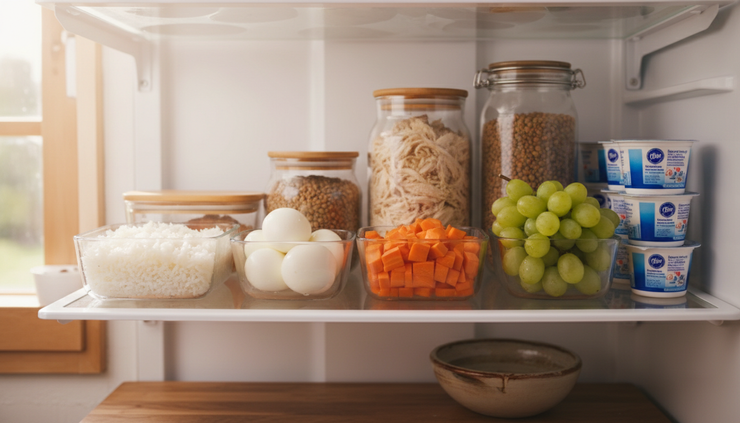
Fill a fridge bin with yogurt cups, cheese sticks, boiled eggs, hummus, fruit, and chopped vegetables.
Double one dinner
Plan for leftovers on purpose. Tonight’s chili can become tomorrow’s potato topping.
One good prep session can be as short as 30 minutes. Put rice on the stove, boil eggs, wash fruit, and chop a few vegetables. That small effort can make three meals easier.
How to involve kids without slowing everything down
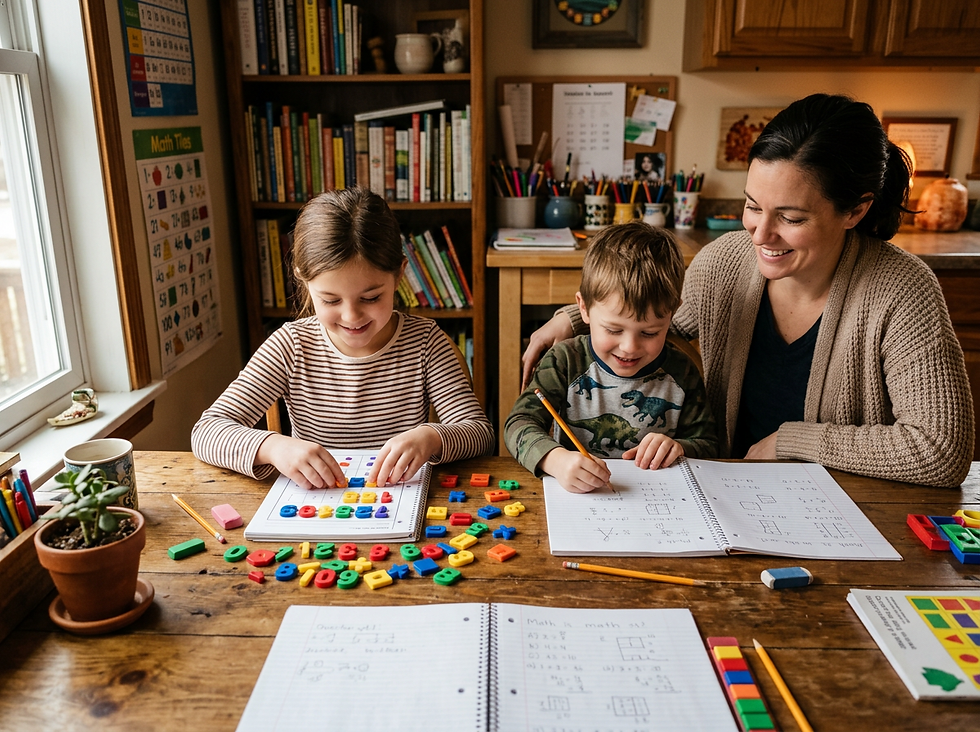
Cooking with kids can feel messy, but it can also become part of the homeschool day. It builds reading, math, science, motor skills, and confidence. The trick is to give jobs that match each child’s age and attention span.
Younger children can:
Wash produce
Tear lettuce
Stir batter or oatmeal
Count tortillas or apples
Put toppings into small bowls
Elementary-age kids can:
Measure oats, rice, or water
Mash beans
Spread hummus or peanut butter
Assemble snack plates
Read simple recipe steps aloud
Older kids can:
Scramble eggs with supervision
Chop soft fruits or vegetables
Cook pasta
Make a simple sauce
Plan one lunch for the week
To keep it fun, give kids ownership. Let one child choose the vegetable for taco rice bowls. Let another name the oatmeal topping combo. Keep a “family favorites” list on the fridge and add meals that everyone would eat again.
If a child is hesitant to try new foods, invite them to help without pressure. A child who washes broccoli or sprinkles cheese on beans may be more willing to taste it later. Small, repeated exposure can help.
Easy ways to stretch meals and reduce waste
A tight grocery budget gets easier when ingredients do more than one job. Think in building blocks instead of one-use recipes.
If you cook chicken, use it for:
Rice bowls
Quesadillas
Soup
Baked potatoes
Wraps
If you open a can of beans, use it for:
Burritos
Pasta sauce
Snack plates
Quesadillas
Salad bowls
If fruit gets soft, use it in:
Oatmeal
Smoothies
Yogurt bowls
Muffins
Freezer bags for later
Leftovers can also become “choice lunch.” Set out small portions of rice, beans, vegetables, cheese, and fruit, then let everyone build a plate. This keeps food from sitting in the fridge until it is forgotten.
A calm approach is better than a perfect plan
Healthy eating during homeschool seasons should support family life, not add stress to it. Some days will include homemade lentil sloppy joes and cut vegetables. Other days will be toast, yogurt, and apples between lessons. Both can fit.
Aim for balance across the day or week. If breakfast was light on protein, add eggs, beans, tuna, yogurt, or peanut butter at lunch. If lunch had few vegetables, add fruit at snack and a vegetable at dinner.
The best meal system is one your family can repeat. Pick two meals from this list to try this week. Prep one ingredient ahead. Invite the kids to help with one small job. That is enough to start building a calmer, healthier rhythm around the table.
Comments