DIY Natural Laundry Soap Recipe for a Safer Greener Home
Updated: Aug 24
Laundry touches almost everything in a home, from sheets and towels to baby clothes, gym gear, and the shirt you wear all day. So it makes sense to ask a simple question: what is actually in the soap cleaning all of it?
Many commercial laundry products work well, but they can also include strong fragrances, optical brighteners, dyes, and other additives that some households would rather avoid. A homemade, natural laundry soap gives you more control. You choose the ingredients, skip what you do not need, and keep your routine a little simpler.
This DIY Natural Laundry Soap Recipe for a Safer Greener Home uses easy-to-find ingredients, takes about 15 minutes to make, and stores well in a jar or container. It is a gentle, low-waste option for everyday laundry, especially for people who prefer unscented or lightly scented clothes.
Why make laundry soap at home
Homemade laundry soap is not about making life harder. It is about removing what you do not need.
When you make your own laundry soap, you can avoid heavy synthetic fragrance and dyes. That can be helpful for households with sensitive skin, allergies, or anyone who simply prefers laundry that smells clean rather than perfumed. Natural does not mean every ingredient works for every person, but it does make the ingredient list easier to understand.
A DIY recipe can also reduce packaging waste. Instead of buying a new plastic jug every few weeks, you can refill glass jars or reusable containers with bulk ingredients. The recipe below is dry, so it does not require large plastic bottles or preservatives.
There is also the practical side. A small scoop goes a long way, and the ingredients are shelf-stable. Once you make a batch, laundry day becomes as easy as opening a jar.
A few benefits stand out:
More control over ingredients You decide whether to keep it unscented or add a small amount of essential oil.
Less packaging waste Dry ingredients fit well in reusable jars, tins, or buckets.
Gentler scent Clothes come out fresh without a strong perfume smell.
Simple storage The finished soap takes up less space than a jug of liquid detergent.
Low-cost batches Basic ingredients can make many loads, especially when bought in larger sizes.
This recipe is best for regular household laundry, such as cotton clothing, towels, sheets, and everyday washable fabrics. For silk, wool, waterproof gear, or specialty fabrics, follow the garment care tag and use a product made for that material.
Gather simple eco-friendly ingredients
This recipe is borax-free and uses a short list of ingredients. Borax appears in many older homemade laundry recipes, but some people prefer to avoid it for skin sensitivity reasons. This version keeps things simple.
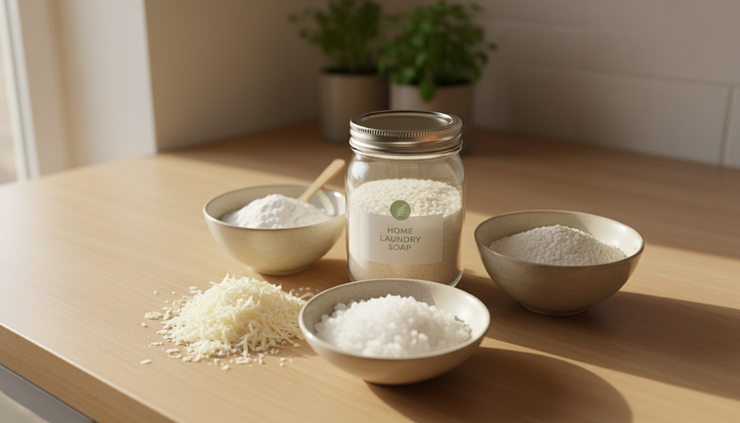
What you need
1 bar mild castile soap (https://amzn.to/4hNwsUX), about 4 to 5 ounces Choose unscented castile soap if you want the gentlest version. A lightly scented bar is fine if your household tolerates it.
2 cups washing soda (https://amzn.to/4wMYhAq) Washing soda helps lift oils and dirt from fabric. It is stronger than baking soda, so use it as directed and avoid breathing in the powder.
1 cup baking soda (https://amzn.to/4gtJ6pP) Baking soda helps soften odors and adds a mild cleaning boost.
1 cup coarse salt or Epsom salt (https://amzn.to/4qxiTLA) Salt can help with texture and may support cleaning in some water conditions.
10 to 20 drops essential oil, optional Lavender, lemon, eucalyptus, and tea tree are common choices. Skip essential oils for babies, pets with sensitivities, or anyone who reacts to scents. I personally love to use ylang ylang and sandalwood.
Airtight jar or container (https://amzn.to/4xeQBrJ) A wide-mouth glass jar, metal tin, or reused detergent container works well.
Label and scoop A tablespoon-sized scoop makes measuring easier (https://amzn.to/4xl72mx).
A note on ingredients and skin safety
Natural ingredients can still irritate skin if they are too strong, used in high amounts, or not rinsed well. If someone in your home has eczema, allergies, or very sensitive skin, make the recipe unscented first. Wash a small load and see how it feels before using it on everything.
Essential oils deserve the same care. They are plant-based, but they are concentrated. A few drops can scent a whole jar, and more is not always better. For the safest everyday option, leave the soap unscented and let clean clothes smell like clean fabric.

Make the laundry soap step by step
This recipe makes enough for about 32 to 48 loads, depending on the load size and how much you use. Start with a smaller scoop, then adjust for your washer, water hardness, and soil level.
1. Grate the castile soap
Use a box grater or food processor to grate the bar of castile soap into fine flakes. The smaller the pieces, the better they blend with the powders and dissolve in the wash.
If you use a food processor, pulse gently. Let the powder settle before opening the lid so you do not breathe in fine dust.
2. Mix the dry ingredients
Add the washing soda, baking soda, and salt to a large bowl. Stir slowly with a wooden spoon or whisk.
Avoid quick, vigorous mixing. Washing soda is dusty, and slow stirring keeps the powder in the bowl instead of the air.
3. Add the grated soap
Pour the grated soap into the bowl and stir until everything looks evenly combined. You should not see large clumps of soap in one area.
If your grated soap is still chunky, you can pulse the whole mixture a few times in a food processor. Work in small batches and avoid over-processing.
4. Add essential oil if using
Add 10 to 20 drops of essential oil to the mixture. Stir well for a few minutes to spread the scent through the dry ingredients.
If clumps form, break them apart with the back of a spoon. The finished mix should look dry and loose, not damp.
5. Store it in an airtight container
Transfer the laundry soap to a clean, dry container. Add a label with the date and suggested amount per load.
A good label might say:
`Homemade Laundry Soap, use 1 to 2 tablespoons per load`
Keep the container out of reach of children and pets. Natural cleaners should still be stored with care.
6. Use the right amount
For a standard load, use 1 tablespoon.
For a large or heavily soiled load, use 2 tablespoons.
For high-efficiency washers, start with 1 tablespoon because HE machines use less water. If you notice residue, use less soap, wash with warm water when the fabric allows, or dissolve the soap in a cup of warm water before adding it to the machine.
7. Wash and check the results
Run the load as usual. After washing, check the fabric before drying. If the clothes look clean and smell fresh, you found a good amount. If they feel coated or look dull, use less soap next time or add an extra rinse.
For tough stains, treat the stain before washing. Homemade laundry soap works best as part of a simple routine, not as a miracle stain remover.
Get the best results from your homemade soap
A natural laundry soap performs best when you match it to the load. The right amount matters more than using extra.
Too much soap can leave residue, especially in cold water or hard water. More soap does not always mean cleaner clothes. It can make towels feel stiff and dark clothes look cloudy.
For better results, try these tips:
Wash heavily soiled items separately from lightly worn clothes.
Use warm water for towels, sheets, and greasy loads when the care label allows.
Dissolve the soap in warm water before adding it to cold washes.
Do not pack the washer too tightly.
Run an extra rinse if clothes feel stiff.
Clean your washer regularly to prevent buildup.
You can also use plain white vinegar as a rinse aid from time to time. Add it to the fabric softener compartment, not directly with the soap. Do not mix vinegar with bleach. Vinegar can help reduce odors and soften fabric feel, but skip it on delicate materials or stone surfaces around the laundry area.
What about hard water
Hard water can make soap-based laundry products less effective. Minerals in the water can react with soap and leave residue. If your home has hard water, start with a small batch before making a large amount.
A few adjustments can help:
If you notice this | Try this |
Clothes feel stiff | Use less soap and add an extra rinse |
Dark clothes look dull | Dissolve soap first and wash similar colors together |
Towels smell musty | Wash with warm water and avoid overloading |
White residue appears | Reduce the scoop size and clean the washer |
If natural soap does not work well with your water, that does not mean the recipe failed. It may mean your water needs a different approach, such as a water softener or a plant-based detergent made for hard water.
Why natural ingredients can be a better fit
Commercial detergents are convenient, and many are designed to handle stains, hard water, and cold cycles. Still, they often include ingredients that are not needed for basic laundry.
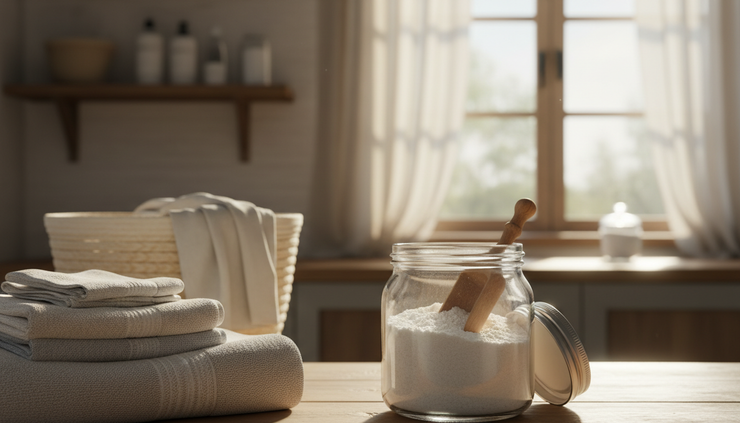
Fragrance is one of the biggest reasons people switch. A strong scent can linger on clothing, sheets, and towels for days. Some people love that, but others find it overwhelming. A natural homemade soap lets you choose no fragrance, a faint scent, or a scent-free routine for certain loads.
Dyes are another easy ingredient to skip. They do not clean clothes. They only change the appearance of the product.
Optical brighteners are common in many detergents. They make fabrics appear brighter by leaving tiny particles on cloth that reflect light. Some people prefer to avoid those residues, especially on bedding, underwear, towels, or baby clothes.
From an environmental view, homemade dry laundry soap has a few clear advantages. It can cut down on plastic packaging, shipping weight, and extra additives. Washing soda, baking soda, salt, and castile soap are simple compared with long ingredient lists.
That said, natural cleaning still works best with mindful habits. Wash full loads when possible, use cold water for lightly soiled clothes, and line-dry when it makes sense. The soap is one part of a greener laundry routine.
Easy ways to customize the recipe
Once you make the basic recipe, you can adjust it to your home.
For an unscented version, leave out essential oils. This is the best starting point for sensitive skin, baby clothes, and bedding.
For a fresh linen scent, add 10 drops of lavender essential oil and 5 drops of lemon essential oil. Keep the scent light. Clothes should not come out smelling like a candle.
For gym clothes, pre-soak sweaty items in cool water before washing. Avoid using too much soap, since buildup can trap odors in synthetic fabrics.
For towels, wash with warm water when possible and skip fabric softener. Fabric softener can coat fibers and reduce absorbency.
For whites, treat stains before washing and dry in the sun when you can. Sunshine can naturally brighten fabrics, though it may fade colors over time.
A few common mistakes to avoid
Homemade laundry soap is simple, but a few small mistakes can affect the final wash.
Do not use too much. Start with 1 tablespoon. If clothes are not clean, adjust slowly.
Do not add essential oils directly to clothes. Mix them into the soap or skip them.
Do not store the soap in a damp place. Moisture can cause clumping.
Do not expect one recipe to solve every laundry problem. Mud, oil, sweat, and food stains may need pre-treatment.
Do not use this soap on fabrics that require special care. Wool, silk, leather, and technical fabrics may need a dedicated cleaner.
The goal is a reliable everyday laundry soap, not a harsh cleaner that strips every stain from every surface.
Try one batch and make it your own
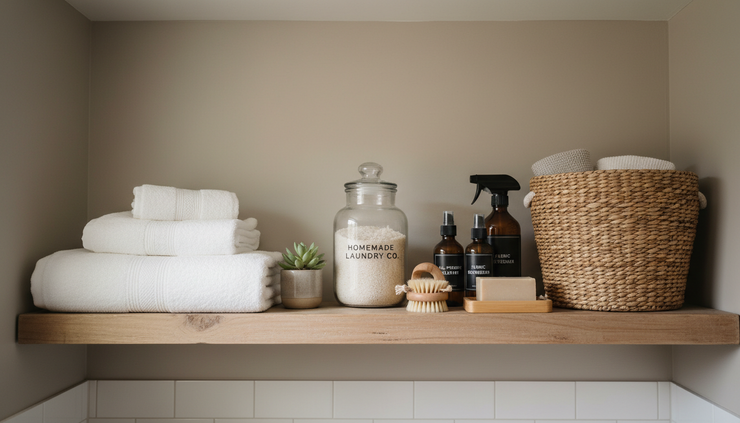
A homemade laundry soap recipe is a small change, but it can make laundry feel more intentional. You get a short ingredient list, less packaging, and a product that can be made unscented or gently scented to fit your home.
Start with one batch. Use it on towels or everyday cotton clothes first. Notice how the fabric feels, how it rinses, and whether the scent level works for you. Then adjust the scoop size, leave out fragrance, or change your wash temperature as needed.
If you try this recipe, share your experience with someone who is also trying to make their home a little simpler and greener. The best DIY routines grow through small tests, honest results, and practical tips passed along. Your version might be exactly what another household needs to get started.


Comments