5 Quick Healthy Snack Ideas Kids Can Make for Homeschool Days
Homeschool days have a rhythm all their own. One minute everyone is deep in math or reading, and the next minute someone is suddenly “starving” even though breakfast was not that long ago.
That is where simple, healthy snacks can save the day. The best homeschool snacks are quick to make, easy to clean up, and filling enough to carry kids to the next meal. They also give children a chance to practice real-life skills: spreading, mixing, measuring, slicing soft foods, and making choices.
These five snack ideas use everyday ingredients, kid-friendly flavors, and simple prep steps. Most can be made in about 5 to 10 minutes, and every one includes ways for kids to help.
1. Apple sandwich rounds make fruit feel fun
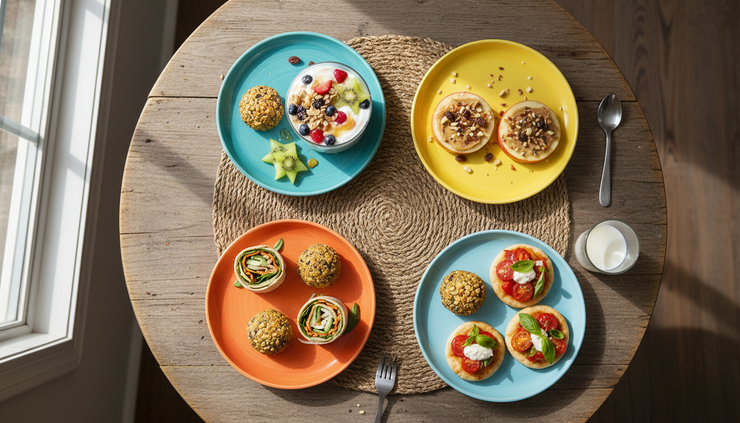
Apple slices become much more exciting when kids turn them into little “sandwiches.” This snack is crunchy, sweet, and satisfying, especially when paired with protein-rich nut butter or sunflower seed butter.
Start with one apple per child. Core it, then slice it into thin rounds. If slicing rounds feels tricky, cut the apple into regular wedges instead. Spread nut butter on one slice, sprinkle on toppings, and place another slice on top.
Good fillings include:
Peanut butter, almond butter, or sunflower seed butter
Raisins, dried cranberries, or chopped dates
Granola or crushed whole grain cereal
Cinnamon
Unsweetened shredded coconut
Mini dark chocolate chips for a small treat
Kids usually love this snack because it tastes a little like dessert, while still leaning on whole fruit and filling fats. The crunch also makes it feel playful.
How kids can help
Younger kids can spread the nut butter with a butter knife, sprinkle toppings, and match apple slices by size. Older kids can use an apple corer or help slice with close supervision and a child-safe knife.
Turn it into a mini building challenge. Ask kids to make the “tallest stable apple sandwich” or create a pattern with toppings. That small bit of play can make snack time feel fresh without adding much work.
Easy variations
Try pear slices instead of apples when pears are firm enough to hold their shape. Swap cinnamon for pumpkin pie spice. Use cream cheese mixed with a little honey in place of nut butter. For a nut-free version, sunflower seed butter works well and has a mild flavor many kids enjoy.
If apples brown quickly in your kitchen, brush slices with a little lemon juice mixed with water. Keep it light so the flavor stays kid-friendly.
2. Yogurt parfait cups feel like a treat
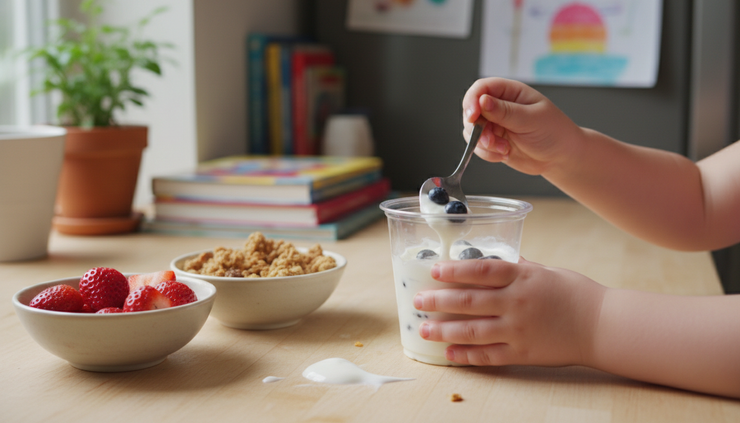
Yogurt parfaits are one of the easiest snacks to hand over to kids because there is no cooking involved. They can scoop, layer, and decorate their own cups while building a snack with protein, fruit, and whole grain crunch.
Use plain Greek yogurt or regular plain yogurt as the base. If your kids prefer sweeter yogurt, stir in a small drizzle of honey or maple syrup. For children under age 1, skip honey.
Set out a few toppings in small bowls:
Sliced strawberries
Blueberries
Banana coins
Peaches or mango chunks
Low-sugar granola
Chia seeds
Crushed graham crackers
Cinnamon
The simple method is easy to remember. Add yogurt, add fruit, add crunch, then repeat. Clear cups make the layers easy to see, which adds to the fun.
How kids can help
Let kids build their own parfaits from a “snack bar.” Give each child a spoon and a cup, then let them choose two fruits and one crunchy topping. This gives them some control while keeping the choices healthy.
For a quick homeschool tie-in, ask younger kids to make a pattern with layers. Older kids can estimate fractions, such as filling half the cup with yogurt or adding one-quarter cup of berries.
Easy variations
Turn the parfait into a smoothie bowl by using thicker yogurt and topping it with banana slices and granola. Use frozen berries that have been thawed for a juicy swirl. Add cocoa powder and banana for a chocolate-banana version. Mix in pumpkin puree and cinnamon for a fall-inspired snack.
For dairy-free families, use coconut, soy, or almond-based yogurt. Look for options with lower added sugar when possible.
3. Veggie cream cheese roll-ups keep lunch energy going
Roll-ups are perfect for kids who like finger foods. They are soft, colorful, and easy to customize. They also help add vegetables in a way that feels approachable, especially when the veggies are sliced thin or shredded.
Start with a whole wheat tortilla. Spread a thin layer of Greek yogurt or hummus over the surface. Add finely shredded carrots, cucumber matchsticks, baby spinach, or thin bell pepper strips. Roll it tightly, then cut it into pinwheels.
If your child is still warming up to vegetables, start small. A few spinach leaves or a light sprinkle of carrots is enough. The goal is to make veggies familiar, not turn snack time into a battle.
Kid-friendly combos include:
Greek yogurt, cucumber, and turkey
Hummus, shredded carrot, and spinach
Greek yogurt, bell pepper, and cheddar
Mashed avocado, turkey, and tomato
Hummus, cucumber, and crumbled feta
How kids can help
Kids can spread the Greek yogurt, layer the fillings, and roll the tortilla. Rolling may take practice, so show them how to tuck the fillings in as they go. If the first one falls apart, call it a “snack wrap bowl” and eat it with a fork.
Children can also help choose colors. Ask them to build a rainbow roll-up with at least two colors inside. This keeps the mood light and makes trying vegetables feel like a creative task.
Easy variations
Use a spinach tortilla or corn tortilla if your family prefers. Swap Greek yogurt for mashed avocado, hummus, ranch-flavored Greek yogurt dip, or refried beans. Add shredded chicken, turkey slices, or hard-boiled egg for a more filling snack.
For younger kids, cut pinwheels into small bite-size pieces. For older kids, let them eat the roll-up whole like a mini wrap.
4. No-bake energy bites are great for busy mornings
Energy bites are little snack balls made from pantry staples. They are quick to mix, easy to store, and perfect for days when lessons run long. They also feel like cookie dough, which makes them an easy sell for many kids.
A basic mix starts with oats, nut butter, and a sticky sweetener. From there, kids can add extras for flavor and texture.
Try this simple base:
1 cup old-fashioned oats
1/2 cup peanut butter or almond butter
1/3 cup honey or maple syrup
1/4 cup ground flaxseed or chia seeds
1/2 teaspoon vanilla
A pinch of salt
Stir everything in a bowl until it holds together. Chill the mixture for a few minutes if it feels too soft. Then roll it into small balls and store them in the refrigerator.
How kids can help
This is a great snack for measuring practice. Kids can scoop oats, level measuring cups, stir the mixture, and roll the bites. Rolling can get sticky, so lightly damp hands help.
You can also turn it into a flavor challenge. Make one batch, divide it into two bowls, and let kids create two different versions. Then taste and name each one.
Easy variations
Add mini chocolate chips and shredded coconut for a cookie-like version. Stir in dried cherries and cocoa powder for a chocolate cherry bite. Use cinnamon and raisins for an oatmeal cookie flavor. Add crushed pretzels for a salty-sweet crunch.
For a nut-free option, use sunflower seed butter. If the mixture seems dry, add a little more nut butter. If it seems too wet, add more oats.
5. Mini pita pizzas make savory snacking simple
Not every snack needs to be sweet. Mini pita pizzas are warm, savory, and filling, which makes them a smart choice for afternoons when dinner is still a few hours away.
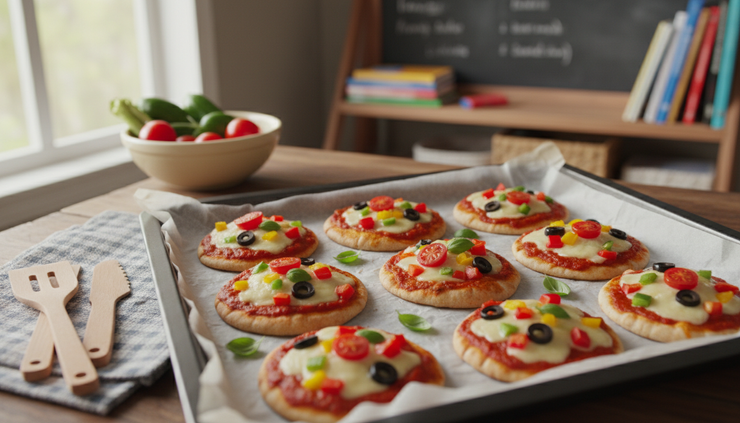
Use whole wheat mini pitas, English muffins, or small tortillas as the base. Spread on a spoonful of pizza sauce, sprinkle with shredded mozzarella, and add toppings. Warm them in a toaster oven or regular oven until the cheese melts. An air fryer also works if that is part of your routine.
Good toppings for kids include:
Ground Turkey or chicken (pre-cooked)
Bell pepper slices
Mushrooms
Pineapple
Black olives
Spinach
Diced tomatoes
This snack can also help kids practice making balanced choices. Ask them to pick one protein, one veggie or fruit topping, and one cheese.
How kids can help
Kids can spoon the sauce, sprinkle cheese, and arrange toppings. Younger children love making faces with olives, peppers, and tomatoes. Older kids can write down topping “orders” and prepare custom mini pizzas for siblings.
For safety, an adult should handle the oven or air fryer. Kids can still do almost every prep step before the heating begins.
Easy variations
Use pesto instead of pizza sauce. Try ricotta and tomato slices for a softer flavor. Make a breakfast version with scrambled egg and cheese. Spread hummus on the pita and add cucumber and tomato after warming for a Mediterranean-style snack.
For kids who like dipping, cut the mini pizza into strips and serve with warm marinara on the side.
Make snack time easier with a simple routine
A little structure can make homeschool snacks feel less like an interruption and more like part of the day. You do not need a complicated plan. A few small habits can make healthy choices easier to repeat.
Keep a short list of snacks your kids already like. Then rotate the flavors instead of starting from scratch every week. For example, yogurt parfaits can be berry flavored one day and banana-cinnamon the next. Roll-ups can be turkey and cucumber on Monday, then hummus and carrot on Wednesday.
A simple snack formula also helps:
Fruit or vegetable
Protein or healthy fat
Whole grain or crunch
Apples, berries, cucumbers, carrots, peppers
Yogurt, cheese, nut butter, hummus, eggs
Oats, whole wheat tortillas, pita, granola, cereal
This kind of mix helps snacks feel satisfying. It can also reduce the steady asking for more food, because kids get more than quick sugar.
To make prep easier, try setting up one low shelf or bin with parent-approved snack supplies. Include napkins, small bowls, spoons, and shelf-stable ingredients like oats, raisins, whole grain crackers, or sunflower seed butter. Keep cut fruit, yogurt, cheese sticks, and washed veggies in clear containers in the fridge.
When kids know what they are allowed to use, they gain independence. Parents get fewer interruptions. Everyone wins.
A healthy snack does not have to be complicated
The best homeschool snacks are the ones that fit real family life. They do not need fancy ingredients or perfect presentation. They just need to be simple enough to make often, nourishing enough to support focus, and tasty enough that kids want to eat them.
Start with one or two ideas from this list. Let kids help, even if it gets a little messy. Over time, those small snack-making moments build confidence in the kitchen and make healthy eating feel normal.
A plate of apple sandwiches, a yogurt parfait, or a warm mini pita pizza can do more than fill a hungry belly. It can give the day a needed pause, a quick win, and a reminder that taking care of kids can be simple, flexible, and fun.
Comments