5 DIY All Natural Shampoo Recipes for Healthier Hair and a Gentle Scalp
A good shampoo should leave your hair clean, not tight, squeaky, itchy, or coated. If your scalp feels dry after every wash, or your hair seems to swing between greasy roots and brittle ends, your shampoo might be doing more than you need it to do.
Many commercial shampoos work well, and not every store-bought formula is harsh. Still, some rely on strong cleansing agents, synthetic fragrance, and heavy silicones that can bother sensitive scalps or strip hair, especially with frequent washing. DIY shampoo gives you a simple way to choose gentler ingredients, adjust the texture, and play with scents that actually suit you.
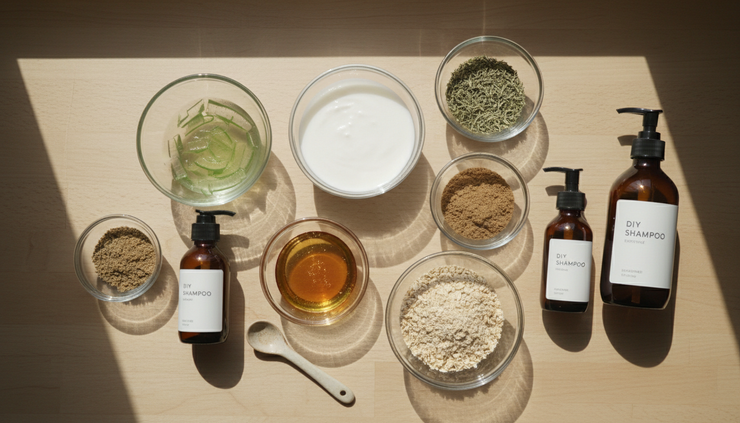
These five recipes use easy-to-find, all-natural ingredients like aloe vera, coconut milk, herbs, oats, clay, honey, and soap nuts. Start small, take notes, and treat each recipe as a base you can personalize.
What makes DIY shampoo gentler
Natural shampoo recipes tend to be gentler because they let you skip common irritants and dial back the strength of the cleanse. Instead of washing with a strong detergent every time, you can use mild soap, cleansing clay, herbal infusions, or soap nuts based on how your hair feels that week.
A gentler recipe can help by:
Reducing exposure to synthetic fragrance
Avoiding heavy buildup from coating ingredients
Letting you choose oils that match your hair texture
Supporting the scalp with soothing ingredients like aloe, oats, and chamomile
Making it easier to wash less aggressively
That said, natural does not always mean irritation-free. Essential oils, clay, herbs, and even aloe can bother some people. Do a small patch test before using a new recipe on your scalp, especially if your skin is reactive.
DIY shampoo works best when you adjust it. Your hair length, curl pattern, water hardness, scalp oil level, and styling products all affect the result.
Before you start mixing
A few simple habits make homemade shampoo safer and more pleasant to use.
Use clean tools and containers. Wash bottles, bowls, and spoons with hot soapy water before mixing. For short shelf life recipes, a clean mason jar or squeeze bottle works well.
Make small batches. Most recipes here do not contain preservatives, so they should be used quickly and stored in the refrigerator unless noted.
Label the bottle. Write the recipe name and date on a piece of tape. It saves a lot of guessing later.
Avoid the eyes. Natural shampoo can still sting. Rinse well with lukewarm water.
Expect a transition period. If you are used to rich commercial shampoo, your hair may feel different at first. Natural formulas often create less foam, but less lather does not mean they are not cleaning.
Here is a quick guide before choosing a recipe.
Hair or scalp goal | Try this recipe |
Dry or dull hair | Aloe and coconut milk shampoo |
Light shine and softness | Honey chamomile shampoo |
Oily roots or buildup | Rhassoul clay cleansing wash |
Sensitive or itchy-feeling scalp | Oat and lavender shampoo |
Minimal, herbal cleansing | Rosemary mint soap nut shampoo |

Five DIY shampoo recipes to try at home
Each recipe below makes a small batch. If you have very long or thick hair, double the recipe after you know you like it.
1. Aloe and coconut milk shampoo for dry hair
This creamy shampoo is a good starter recipe because it feels familiar. Liquid castile soap provides the cleanse, while aloe and coconut milk soften the feel.
Best for
Dry hair, wavy hair, curly hair, or anyone who wants a creamy wash.
Ingredients
1/4 cup unsweetened coconut milk (https://amzn.to/4zWV7x0)
1/4 cup pure aloe vera gel (https://amzn.to/4hYu6CM)
1/4 cup unscented liquid castile soap (https://amzn.to/4yacKru)
1 teaspoon jojoba oil or argan oil (https://amzn.to/4cZYFo3)
5 to 8 drops lavender, sweet orange, or rosemary essential oil (https://amzn.to/4xurQbe)
Steps
Add the coconut milk and aloe vera gel to a clean bowl.
Whisk gently until the mixture looks smooth.
Stir in the castile soap slowly to avoid making too much foam.
Add the jojoba or argan oil.
Add essential oil if using, then stir again.
Pour into a clean squeeze bottle.
Shake before each use, massage into wet hair, and rinse well.
Why these ingredients help
Aloe vera gives slip and a soothing feel on the scalp. Coconut milk adds creaminess and can make dry hair feel softer. Jojoba oil is light and similar in feel to the scalp’s natural oils, so it works well when you want moisture without a heavy coating.
Storage
Keep in the refrigerator and use within 5 to 7 days.
2. Honey chamomile shampoo for shine and softness
This gentle recipe pairs herbal tea with honey for a soft, glossy finish. It is especially nice for hair that looks dull but does not need a heavy oil-rich wash.
Best for
Normal to dry hair, fine hair that gets weighed down, and dull-looking hair.
Ingredients
1/2 cup strong chamomile tea, cooled (https://amzn.to/4iwvE74)
1/4 cup unscented liquid castile soap (https://amzn.to/4yacKru)
1 tablespoon raw honey (https://amzn.to/3Se1DOX)
1 teaspoon vegetable glycerin (https://amzn.to/4wMet4V)
4 to 6 drops Roman chamomile, lavender, or geranium essential oil (https://amzn.to/3UHtBDk)
Steps
Steep chamomile tea until strong, then let it cool fully.
Add honey to the cooled tea and stir until dissolved.
Stir in vegetable glycerin.
Slowly add castile soap and mix gently.
Add essential oil if desired.
Pour into a clean bottle.
Apply to wet hair, massage at the roots, then rinse thoroughly.
Why these ingredients help
Chamomile is known for its calming feel and light herbal scent. Honey is a humectant, which means it helps attract moisture. Vegetable glycerin also supports a soft feel, but use only a small amount. Too much can make hair sticky, especially in humid weather.
Storage
Refrigerate and use within 1 week.
3. Rhassoul clay cleansing wash for oily roots
This one is different from a foaming shampoo. Rhassoul clay absorbs excess oil and helps lift buildup without the squeaky feeling some strong shampoos leave behind.
Best for
Oily roots, limp hair, occasional buildup, and low-foam cleansing.
Ingredients
3 tablespoons rhassoul clay (https://amzn.to/3SCttV8)
1 tablespoon aloe vera gel (https://amzn.to/4gD76XJ)
1/4 cup warm water or cooled herbal tea
1 teaspoon apple cider vinegar(https://amzn.to/4gwhosp)
2 drops tea tree essential oil, optional (https://amzn.to/45WHkbU)
Steps
Add rhassoul clay to a non-metal bowl.
Stir in warm water or tea a little at a time.
Mix until you have a thin yogurt-like texture.
Add aloe vera gel and apple cider vinegar.
Stir in tea tree essential oil if using.
Wet hair completely.
Apply the mixture to the scalp and roots.
Massage gently for 1 to 2 minutes.
Rinse very well, letting the water carry the clay through the ends.
Why these ingredients help
Rhassoul clay is naturally absorbent, so it can help remove oil and residue. Aloe keeps the mixture from feeling too drying. Apple cider vinegar gives the wash a smoother feel and may help hair feel less rough after rinsing.
Storage
Use this recipe right away. Do not store mixed clay shampoo.

4. Oat and lavender shampoo for a gentle scalp
Oats are a comfort ingredient for sensitive skin, and they bring that same soft touch to a scalp-focused shampoo. This recipe is mild, creamy, and lightly scented.
Best for
Dry scalp, sensitive-feeling scalp, and hair that needs a soft wash.
Ingredients
2 tablespoons finely ground oats or colloidal oats
1/2 cup hot distilled water
1/4 cup unscented liquid castile soap (https://amzn.to/4yacKru)
1 tablespoon aloe vera gel (https://amzn.to/4gD76XJ)
1 teaspoon calendula-infused oil or olive oil (https://amzn.to/46sSFAA)
4 drops lavender essential oil (https://amzn.to/3UHtBDk)
Steps
Add oats to hot distilled water.
Let the mixture sit for 10 to 15 minutes.
Strain through a fine mesh strainer or cheesecloth.
Save the oat water and discard the solids.
Stir aloe vera gel into the oat water.
Add castile soap slowly.
Stir in calendula-infused oil or olive oil.
Add lavender essential oil.
Pour into a clean bottle and shake before using.
10. Massage into wet hair and scalp, then rinse well.
Why these ingredients help
Oat water gives this shampoo a silky texture. Aloe adds slip and a fresh feel. Calendula-infused oil is a gentle choice for dry skin, while lavender gives a calm herbal scent. If your scalp dislikes fragrance, skip the essential oil.
Storage
Refrigerate and use within 5 days.
5. Rosemary mint soap nut shampoo for a simple herbal cleanse
Soap nuts contain natural saponins, which create a light cleansing effect when simmered in water. This shampoo will not foam like a regular shampoo, but it can leave hair feeling clean and light.
Best for
Normal hair, oily hair, minimal routines, and anyone who wants a plant-based wash without castile soap.
Ingredients
6 dried soap nuts (https://amzn.to/45WECDh)
2 cups water
1 tablespoon dried rosemary (https://amzn.to/4yaXI4O)
1 tablespoon dried peppermint (https://amzn.to/4gZl4n1)
1 teaspoon aloe vera gel, optional (https://amzn.to/4gD76XJ)
Steps
Add soap nuts and water to a small saucepan.
Bring to a gentle boil.
Reduce heat and simmer for 15 to 20 minutes.
Add dried rosemary and peppermint.
Turn off the heat and cover the pan.
Let the herbs steep until the liquid cools.
Strain into a clean bottle.
Add aloe vera gel if you want a softer texture.
Shake before use.
10. Pour over wet scalp, massage well, and rinse.
Why these ingredients help
Soap nuts offer a simple natural cleanse. Rosemary gives an earthy herbal scent and is often used in hair care blends. Peppermint feels fresh on the scalp, but it can be too strong for some people. Use less peppermint or skip it if your skin is sensitive.
Storage
Refrigerate and use within 1 week. You can also freeze extra liquid in an ice cube tray and thaw one portion before wash day.
How to personalize scent, texture, and results
The fun of homemade shampoo is that you can tweak it. Start with one recipe, then adjust one thing at a time so you know what worked.
For fragrance, try these natural scent ideas:
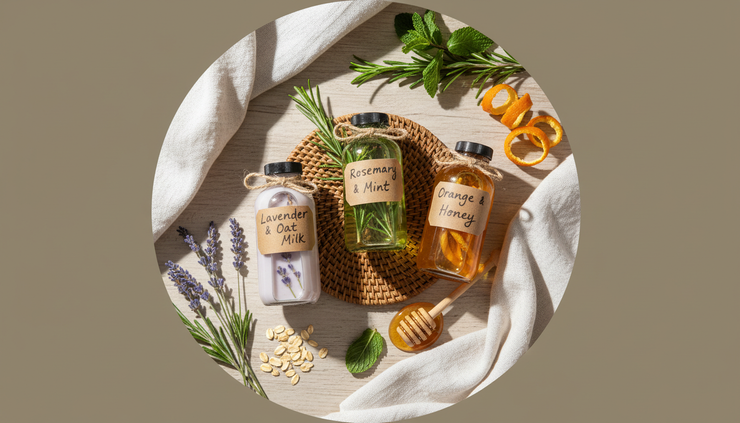
Lavender and chamomile for a soft herbal scent
Rosemary and peppermint for a fresh, clean feel
Sweet orange and vanilla extract for a warmer scent
Cedarwood and lavender for an earthy blend
Lemongrass in tiny amounts for a bright citrus note
Use essential oils carefully. A few drops are enough for a small bottle. More scent does not make a better shampoo, and too much essential oil can irritate the scalp.
For texture, adjust the base. Add more aloe for slip, more tea or water for a thinner rinse, or a tiny bit more oil for dry ends. If your shampoo feels too rich, reduce oils first.
For cleansing strength, pay attention to how your roots feel after drying. If hair feels greasy, use less oil or try the clay wash. If hair feels dry, use a creamier recipe or wash less often.
If you have hard water, castile-based shampoos can sometimes leave hair feeling waxy. A simple diluted apple cider vinegar rinse after shampooing may help. Mix 1 tablespoon apple cider vinegar with 1 cup water, pour through hair, then rinse. Do not mix vinegar directly into a full bottle of castile shampoo, since it can change the texture.
A few safety and storage tips
Homemade shampoo is fresh, which means it needs more care than a preserved store-bought product. When in doubt, throw it out.
Keep these tips in mind:
Store water-based recipes in the refrigerator.
Use clean hands and clean tools when mixing.
Toss any batch that smells sour, changes color, or grows mold.
Avoid essential oils during pregnancy or around young children unless a qualified professional says they are safe for your situation.
Keep peppermint and tea tree oils away from the eyes.
Patch test new ingredients on a small area first.
If you have a scalp condition, open skin, sudden hair loss, or persistent irritation, check with a licensed healthcare professional before changing your routine. This post is for general information and is not medical advice.
The best DIY shampoo is the one your hair likes
DIY shampoo is less about finding one perfect recipe and more about learning what your hair responds to. Dry curls may love aloe and coconut milk. Fine hair may prefer honey chamomile. Oily roots may feel best after a quick clay wash. A sensitive scalp may do better with oats and no added fragrance.
Start with the recipe that matches your biggest hair concern, make a small batch, and give it a fair try. Then experiment with scents, textures, herbs, and oils until the formula feels like your own. Healthier-looking hair often starts with a gentler wash, and your kitchen has plenty of simple ingredients to help you get there.



Comments